News You Can Use, created at the request of our Project Advisory Council, will provide you with brief, timely information, generated via research conducted as part of the Northern Grapes Project, as well as material derived from other sources. News You Can Use will be published around the first of every month, and will be sent via email and posted on this site and the Facebook page. Please let us know what you think!
Canopy Management and Light Interception, July 2016
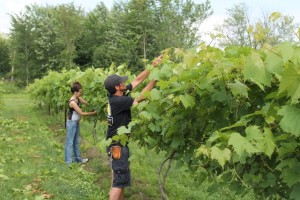
Canopy management involves manipulation of vine growth to achieve production goals such as optimizing light interception, managing disease pressure, adjusting cropping levels or maximizing fruit quality. Site selection, grape variety, training system, soil fertility, and water management will all influence the amount of canopy management needed throughout the season. However, canopy management is labor intensive, so it is important to understand the costs and benefits associated with these practices. Mike White and Tim Martinson covered various canopy management practices, and the economics of them, in the February 2012 Webinar “Nuts and Bolts of Canopy Management.”
As canopy management affects light exposure to the clusters, this month we will also review the work being done in Clayton, NY, looking at the difference in fruit chemistry between shaded and exposed clusters of Marquette and Frontenac. In short, clusters exposed to sunlight have lower titratable acidity and higher soluble solids at harvest than clusters that are shaded. A research report from the Year 4 Northern Grapes Project Progress Report has complete details.
Click here for the full report, which includes preliminary information about shoot positioning and leaf pulling experiments being conducted this year to improve light interception on high-wire cordon Frontenac.
Grape Disease, Insect, and Mite Control and Biology, June 2016
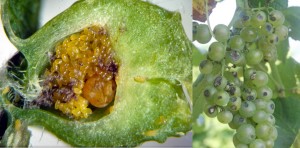
Good disease and insect control programs are crucial to producing high-quality grapes, and in turn, great wines. Developing an effective pest management program requires access to complete, accurate, research-based information.
This month, we are sharing two documents that will serve as a cornerstone in developing, or improving, your pest management program. Wayne Wilcox and Greg Loeb, both of Cornell University, are experts in grape fungal diseases and insect pests, respectively. Each year, they publish documents that are packed with great information for both novice and experienced grape growers, which are based on over 20 years of research and hands-on experience. These publications not only synthesize results of their ongoing research projects, but also share new developments in control measures, as well as insights into the biology of grape fungal diseases and insects, allowing for a complete understanding of the pests you are trying to control.
Click here for the full report, or here to download the Grape Insect and Mite Pests document or here for the Grape Disease Control document.
Itasca Grape, April 2016
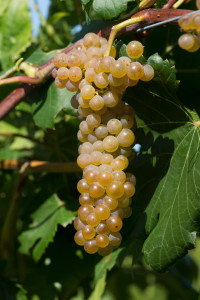 The University of Minnesota recently released its fifth cold-hardy wine grape, named ‘Itasca.’ Itasca arose from a 2002 cross made by Peter Hemstad between Frontenac gris and MN 1243, and was identified in 2009 as an elite seedling.
Data provided by Matthew Clark show that at harvest, titratable acidity in Itasca averages close to 10 g/L, while La Crescent is 14.5 g/L and Frontenac gris is 15.5 g/L. After the Polar Vortex winter of 2014, Itasca had over 60% primary bud survival, while other white cultivars had less (Frontenac gris, 20%: Frontenac blanc, 35%; La Crescent, 30%).
Licensed nurseries will begin selling Itasca in 2017.
Click here for the full report, which includes links to more articles and videos about Itasca.
The University of Minnesota recently released its fifth cold-hardy wine grape, named ‘Itasca.’ Itasca arose from a 2002 cross made by Peter Hemstad between Frontenac gris and MN 1243, and was identified in 2009 as an elite seedling.
Data provided by Matthew Clark show that at harvest, titratable acidity in Itasca averages close to 10 g/L, while La Crescent is 14.5 g/L and Frontenac gris is 15.5 g/L. After the Polar Vortex winter of 2014, Itasca had over 60% primary bud survival, while other white cultivars had less (Frontenac gris, 20%: Frontenac blanc, 35%; La Crescent, 30%).
Licensed nurseries will begin selling Itasca in 2017.
Click here for the full report, which includes links to more articles and videos about Itasca.
2016 Northern Grapes Symposium, March 2016
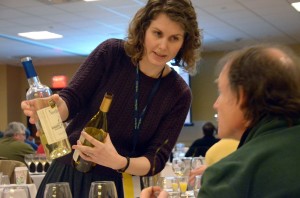
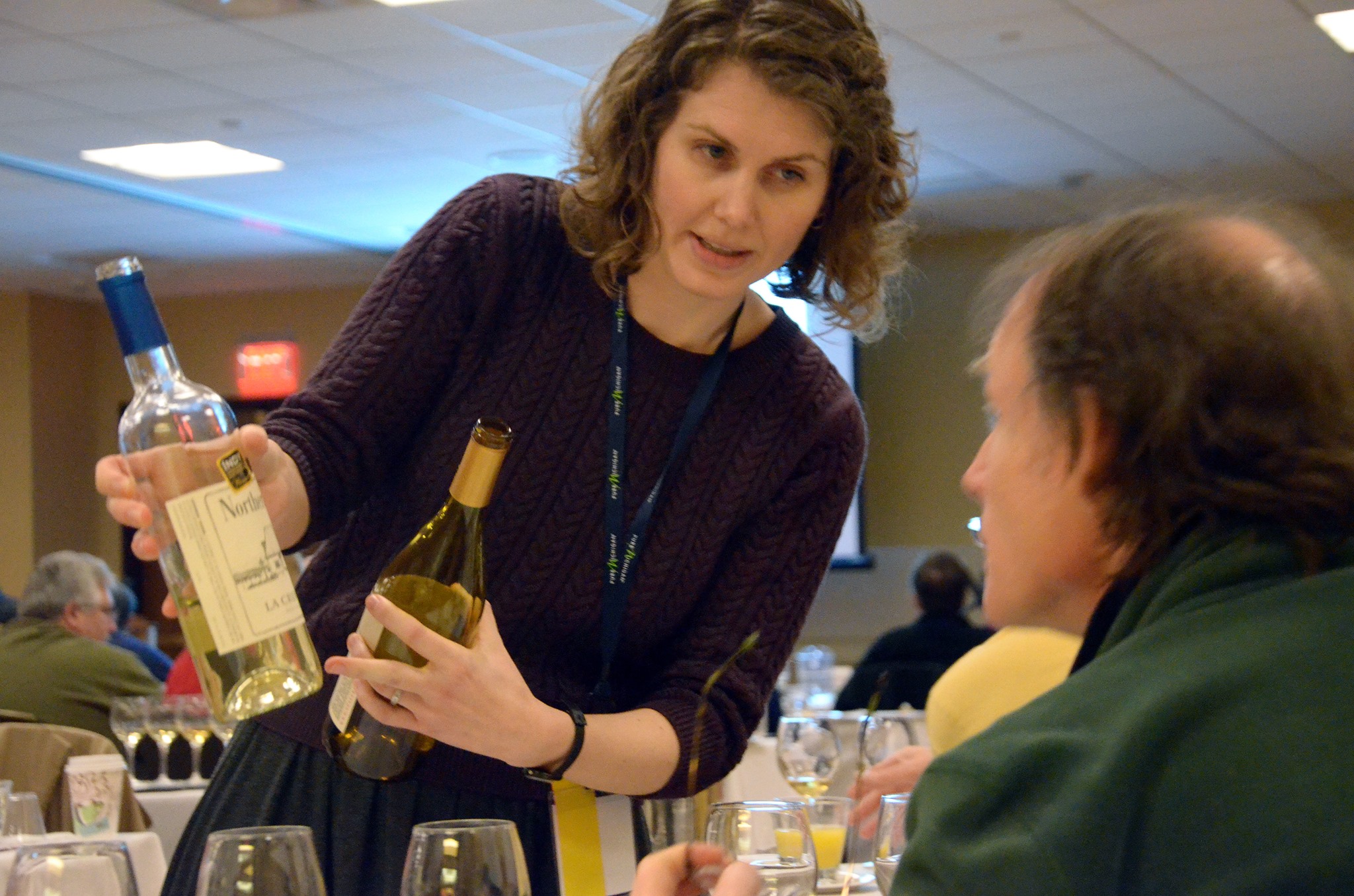
The 2016 Northern Grapes Symposium was hosted by the Michigan Grape and Wine Industry Conference on February 24th in Kalamazoo, Michigan. Nine Northern Grapes Project team members lead six sessions, encompassing all four of the projects’ objectives. Some of the talks focused on results of specific research projects, such as training systems studies, deacidification strategies for cold hardy wines, and marketing, branding, and tasting room studies. Others, however, were more general in nature, and covered topics such as the past 15 years of viticulture in Iowa and the viticultural and enological characteristics of Marquette, Frontenac, Brianna, and La Crescent, including tasting two examples of each wine.
Click here for the full report, which includes links to all presentations given at the Symposium.
Trellis Systems, Pruning and Training, December 2015
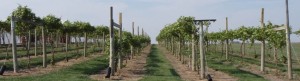
A major component of any vineyard management system is training and pruning vines in a manner that is appropriate for the cultivar, location, and production goals, among other factors. And, a well-constructed trellis system is critical to support the vines, regardless of the training system that’s chosen. While much of the research being conducted by the Northern Grapes Project Viticulture Team focuses on vineyard management practices and how they affect yield and fruit quality, this issue of News You Can Use includes links to three past webinars and one newsletter article that focus on the basics of trellising, pruning, and training.
Click here for the full report, which includes links to three past Northern Grapes Project Webinars as well as a past Northern Grapes News article.
Yeast Selection, October 2015
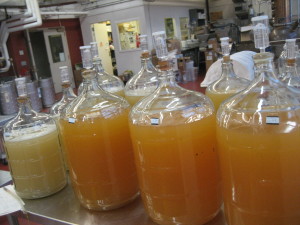 When considering choice of yeast, there are many options that winemakers can choose from. One must consider not only the variety of grape, but also the desired wine style, growing conditions in the vineyard, and winemaking conditions in the cellar. Research being done as part of the Northern Grapes Project is looking at how different yeast strains can reduce acidity, as well as enhance desirable flavors and aromas, resulting in recommendations for matching yeast and cultivar.
Click here for the full report, which includes links to Northern Grapes News articles as well as a webinar about yeast selection.
When considering choice of yeast, there are many options that winemakers can choose from. One must consider not only the variety of grape, but also the desired wine style, growing conditions in the vineyard, and winemaking conditions in the cellar. Research being done as part of the Northern Grapes Project is looking at how different yeast strains can reduce acidity, as well as enhance desirable flavors and aromas, resulting in recommendations for matching yeast and cultivar.
Click here for the full report, which includes links to Northern Grapes News articles as well as a webinar about yeast selection.
Yeast Assimilable Nitrogen, September 2015
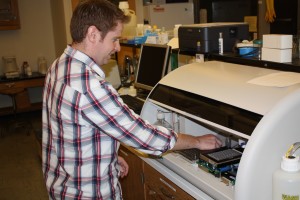 In addition to sugars, adequate yeast assimilable nitrogen (YAN) concentration is required for successful alcoholic fermentation of grape musts. Unlike sugars, however, YAN is difficult to measure and impossible to estimate. YAN also varies widely by cultivar, year, climate, harvest date, and viticultural practices. Too little YAN can result in stuck fermentations or production of off-aromas, such as H2S, but too much YAN (which can happen, especially when prophylactic YAN additions are made) can lead to problems with spoilage organisms or production of fusel alcohols.
Click here for the full report, which includes a link to a webinar about YAN, a Northern Grapes Research Report outlining the YAN projects that have been conducted, as well as other good sources of information about YAN.
In addition to sugars, adequate yeast assimilable nitrogen (YAN) concentration is required for successful alcoholic fermentation of grape musts. Unlike sugars, however, YAN is difficult to measure and impossible to estimate. YAN also varies widely by cultivar, year, climate, harvest date, and viticultural practices. Too little YAN can result in stuck fermentations or production of off-aromas, such as H2S, but too much YAN (which can happen, especially when prophylactic YAN additions are made) can lead to problems with spoilage organisms or production of fusel alcohols.
Click here for the full report, which includes a link to a webinar about YAN, a Northern Grapes Research Report outlining the YAN projects that have been conducted, as well as other good sources of information about YAN.
Herbicide Drift, June 2015
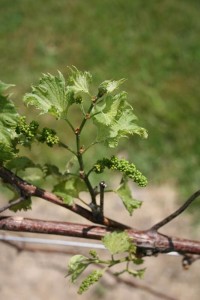 Damage from herbicide drift is, unfortunately, something that a number of grape growers are all too familiar with. The effects of off-target herbicide damage can range from mild to devastating, and the effects can persist for well over one year. The Northern Grapes Project has focused some attention on herbicide drift, even though it is not one of the key objectives of the project, as it is an area of concern for many growers of cold-hardy grapes.
Click here for the full report, which contains links to a number of resources about herbicide drift in vineyards.
Damage from herbicide drift is, unfortunately, something that a number of grape growers are all too familiar with. The effects of off-target herbicide damage can range from mild to devastating, and the effects can persist for well over one year. The Northern Grapes Project has focused some attention on herbicide drift, even though it is not one of the key objectives of the project, as it is an area of concern for many growers of cold-hardy grapes.
Click here for the full report, which contains links to a number of resources about herbicide drift in vineyards.
Winery Profitability, April 2015
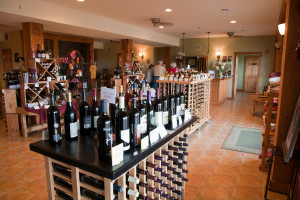 In this issue of News You Can Use, we are highlighting two past Northern Grapes Project webinars, both by Gregg McConnell of Farm Credit East, who directs their Winery Benchmarks Program. Gregg discusses how to make a start-up winery profitable in the first webinar, and covers “what happens next” in the second.
Click here for the full report, which includes links to both webinars, as well as a link to the Farm Credit East Winery Benchmarks program.
In this issue of News You Can Use, we are highlighting two past Northern Grapes Project webinars, both by Gregg McConnell of Farm Credit East, who directs their Winery Benchmarks Program. Gregg discusses how to make a start-up winery profitable in the first webinar, and covers “what happens next” in the second.
Click here for the full report, which includes links to both webinars, as well as a link to the Farm Credit East Winery Benchmarks program.
Grapevine Nutrition, March 2015
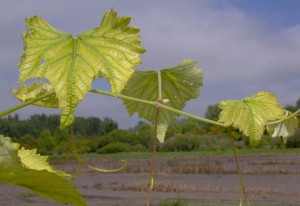 As cold-hardy winegrape cultivars are still fairly new, optimal soil and tissue nutrient concentration ranges have not yet been established, and growers are relying on recommendations developed for Vitis vinifera and V. labrusca cultivars grown in more traditional (i.e., warmer) climates. Therefore, one of the goals of the Northern Grapes Project is to obtain baseline soil properties and tissue nutrient concentrations for the cold-hardy hybrids.
Click here for the full report, which includes links to a webinar vine nutrition, as well as a research report and newsletter article containing preliminary results about the research being conducted as part of the project.
As cold-hardy winegrape cultivars are still fairly new, optimal soil and tissue nutrient concentration ranges have not yet been established, and growers are relying on recommendations developed for Vitis vinifera and V. labrusca cultivars grown in more traditional (i.e., warmer) climates. Therefore, one of the goals of the Northern Grapes Project is to obtain baseline soil properties and tissue nutrient concentrations for the cold-hardy hybrids.
Click here for the full report, which includes links to a webinar vine nutrition, as well as a research report and newsletter article containing preliminary results about the research being conducted as part of the project.
Winery Customer Satisfaction, January 2015 
Customer satisfaction is especially important for the cold climate wineries; as an emerging industry, it relies on visitors (regional customers and tourists) for an important share of total sales. By ensuring that customers have a satisfactory experience, the winery can create customer loyalty and positive press as clients recommend the establishment to their friends, colleagues and family. In the winery business, customer satisfaction is primarily determined by the tasting room experience, as tasting room visitors are not solely interested in the wine.
Click here for the full report, which includes links to reports and a webinar covering the results of the tasting room customer satisfaction survey.
Keep a Cork in it: Stabilizing Sweet Wines for Bottling, December 2014 
Residual sugar (RS) is an essential part of many wine styles, and in the northern varieties it can be especially useful. Depending on the titratable acidity and other characteristics, even “dry” wines may require a little RS to achieve a balanced mouthfeel. Sugar is food for people and microscopic organisms alike and in wine, unless steps are taken to ensure that the product is microbially stable, problems ranging from off-aromas to self-ejecting corks may appear.
Chris Gerling, extension associate in Cornell University’s extension enology lab, gave the Northern Grapes Project Webinar “Keep a Cork in it: Stabilizing Sweet Wines for Bottling,” in May of 2012, and discussed principles of filtration and other chemical & microbiological means of inhibiting or killing spoilage organisms, as well as the various costs and benefits.
Click here for the full report, which includes links to other resources.
Wine Deacidification, October 2014
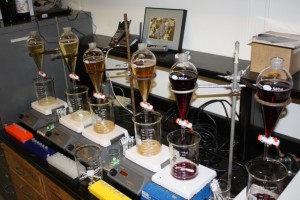
One of the challenges in making wine from cold-hardy cultivars is the high acid levels in the grapes. Therefore, one of the objectives for the Northern Grapes Project Enology Team is to optimize deacidification methods for these cultivars, which has been a focal point in their research projects and outreach activities.
As harvest is either underway or complete in most of the cold-climate states, now is a good time to review deacidification strategies. Two Northern Grapes Project webinars (Managing Acidity in the Winery and Malolactic Fermentation) and two newsletter articles (Necessary Evil: Chemical Deacidification for High Acid Wine and Using Selected Yeast Strains to Reduce Wine Total Acidity) have focused on this topic.
Click here for the full report, which includes links to additional resources.
Winery Sanitation, September 2014
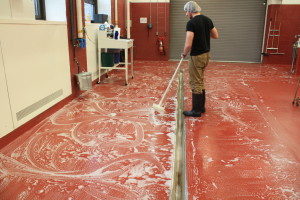 A good winery sanitation program is of key importance to wineries of all sizes, as it will improve product quality, production consistency, and product safety. The costs of having a poor sanitation program include poor product quality (or perhaps unsalable product), a loss of revenue, and a damaged reputation. As harvest is drawing near, now is a good time to review your winery’s sanitation program.
Dr. Randy Worobo, Associate Professor in the Department of Food Science at Cornell University, is a well-known food safety expert, and has presented many winery sanitation workshops across the U.S. In the June 2012 Northern Grapes Project Webinar “Introduction to Winery Sanitation: Options to Applications,”Dr. Worobo covered the basics of winery sanitation.
Click here to access the full report.
A good winery sanitation program is of key importance to wineries of all sizes, as it will improve product quality, production consistency, and product safety. The costs of having a poor sanitation program include poor product quality (or perhaps unsalable product), a loss of revenue, and a damaged reputation. As harvest is drawing near, now is a good time to review your winery’s sanitation program.
Dr. Randy Worobo, Associate Professor in the Department of Food Science at Cornell University, is a well-known food safety expert, and has presented many winery sanitation workshops across the U.S. In the June 2012 Northern Grapes Project Webinar “Introduction to Winery Sanitation: Options to Applications,”Dr. Worobo covered the basics of winery sanitation.
Click here to access the full report.
Grape Berry Ripening, August 2014
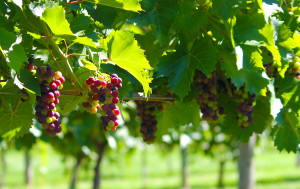 As we head into August, veraison will commence, and along with it, thoughts of when to harvest. A great deal of research has been conducted to characterize the ripening profiles of Vitis vinifera cultivars, which helps growers make informed decisions regarding harvest. However, little is known about the changes in chemical composition during ripening of the cold hardy cultivars.
As part of the Northern Grapes Project, recent work at the University of Minnesota tracked changes in fruit composition of 11 cultivars, including seven cold hardy cultivars. Click here to access the full report, which has links to two summaries of this work, as well as other resources related to measuring grape maturity.
As we head into August, veraison will commence, and along with it, thoughts of when to harvest. A great deal of research has been conducted to characterize the ripening profiles of Vitis vinifera cultivars, which helps growers make informed decisions regarding harvest. However, little is known about the changes in chemical composition during ripening of the cold hardy cultivars.
As part of the Northern Grapes Project, recent work at the University of Minnesota tracked changes in fruit composition of 11 cultivars, including seven cold hardy cultivars. Click here to access the full report, which has links to two summaries of this work, as well as other resources related to measuring grape maturity.
Vineyard Floor Management, July 2014 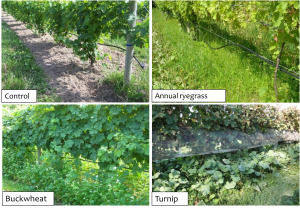
Weeds can compete with grapes for water, nutrients, and sunlight, and new growers often ask for advice in creating an effective weed management program for their vineyards. Competition from weeds can be especially deleterious in the first year or two after planting, so an effective weed control program is important early on.
Click here to access the full report, which contains a link to the February 2013 webinar by Justine Vanden Heuvel and Harlene Hatterman-Valenti. This webinar covers new vineyard floor management techniques being investigated at Cornell University, as well as more traditional practices. Also included are links to other web-based resources.
Managing Winter Injured Vines, June 2014 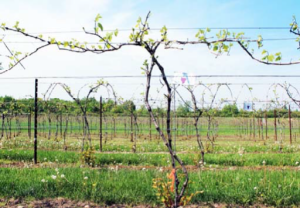
The polar vortex brought record low winter temperatures to the Midwest and northeast early in 2014, along with multiple low temperature episodes over several weeks. Many vineyards suffered a wide range of bud injury, and an unknown amount of trunk injury – even with cold-hardy ‘Minnesota’ varieties. Now that budburst has occurred, growers have a better idea of what they are dealing with and how severe the damage is. It’s time to deal with the injury. So what are the consequences, and what should growers do to manage injured vines?
Click here to access the full report, which contains links to online resources you can use to help build an effective disease management program.
Grape Disease Management, May 2014 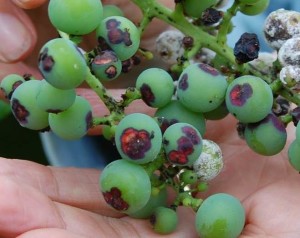
Every experienced grape grower knows that good disease management program is a crucial component of growing high-quality grapes. Early season control is especially important, as flowers and small berries are quite susceptible to powdery mildew, downy mildew, and black rot.
Because cold-hardy grape cultivars are still relatively new, we’re still learning about the different cultivars’ resistance and susceptibility to the range of grape pathogens. Therefore, one of the objectives of the Northern Grapes Project is to evaluate disease resistance and the cultivars’ susceptibility to copper- and sulfur-based fungicides.
Click here to access the full report, which contains links to online resources you can use to help build an effective disease management program.
Assessing Bud Injury and Adjusting Pruning, April 2014 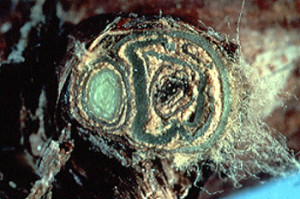
After the extreme cold temperatures much of the US experienced this winter, many grape growers are concerned about winter injury to buds and trunks. Here in the Finger Lakes region of New York, for example, up to 90% of the primary buds on some V. vinifera cultivars were killed.
Cold-hardy University of Minnesota and Swenson cultivars can withstand much colder temperatures than most other grapes, but it’s still advisable to assess your grapes for winter damage before pruning, and adjust your bud number accordingly. If more than 20% of the buds are dead, you’ll want to leave more buds to maintain a normal cropping level.
Click here to access the full report, which contains links to online resources to explore to learn more about how to assess winter injury and manage winter-damaged vines.

 In this issue of News You Can Use, we are highlighting two past Northern Grapes Project webinars, both by Gregg McConnell of Farm Credit East, who directs their Winery Benchmarks Program. Gregg discusses how to make a start-up winery profitable in the first webinar, and covers “what happens next” in the second.
Click here for the full report, which includes links to both webinars, as well as a link to the Farm Credit East Winery Benchmarks program.
In this issue of News You Can Use, we are highlighting two past Northern Grapes Project webinars, both by Gregg McConnell of Farm Credit East, who directs their Winery Benchmarks Program. Gregg discusses how to make a start-up winery profitable in the first webinar, and covers “what happens next” in the second.
Click here for the full report, which includes links to both webinars, as well as a link to the Farm Credit East Winery Benchmarks program.